
After more than 20 years working in Santa Cruz County real estate, I've learned that buying on the Westside takes a close look at three things: the street, the home's condition, and recent comparable sales. Proximity to the coast can influence price, but it doesn't tell you whether a home is well maintained or fairly priced. Those details should shape your offer, not just the asking price.
Many buyers begin their search because they want to live near the ocean. Others are drawn to the area for its access to UCSC, downtown, or established residential streets. The right starting point is knowing how you plan to use the location and what you need from the home itself.
What Makes Westside Santa Cruz a Desirable Place to Buy?
The Westside puts buyers close to the coast, local businesses, restaurants, UCSC, and downtown Santa Cruz. West Cliff Drive, Steamer Lane, Lighthouse Field, and Natural Bridges State Beach are popular destinations for people who enjoy spending time outdoors.
A home's location looks different once you spend time there outside a showing. Walk or drive the routes you'll use regularly, especially during weekday traffic. Visit the street at different times of day and pay attention to parking, noise, and activity nearby. A convenient address on paper doesn't always mean an easy daily routine.
Exploring Westside Neighborhoods
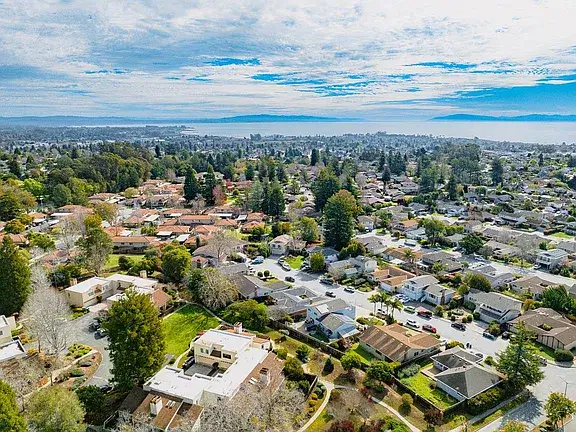
The Lower and Upper Westside are useful starting points, but the specific street matters more than the neighborhood label.
The Lower Westside includes areas near West Cliff Drive and Lighthouse Field. Buyers looking here often want to be close to the coast. Some properties have smaller lots or limited parking, so the usable outdoor space deserves a close look. A deep, functional yard is worth paying attention to; don't pay a premium for lot size alone if much of the land is difficult to use.
The Upper Westside has established residential streets around High Street and Western Drive, with convenient access to UCSC and nearby trail areas. Buyers often look here for a more residential setting, quieter streets, and, on some properties, larger lots. The trade-off is that you're farther from some of the coastal destinations that draw buyers to the Lower Westside. The right choice comes down to the street, the property, and the places you expect to visit most.
What Types of Homes Are Available?
The Westside has older single-family homes, remodeled residences, condominiums, and townhomes. Some houses retain their original layouts and finishes. Others have updated kitchens, bathrooms, and additions. Lot size, garage space, parking, and usable outdoor areas also vary from one property to the next.
When touring a home, I pay attention to the floor plan before the finishes. Does the living area connect well to the kitchen? Is there enough storage? Does the bedroom layout work? A beautifully updated kitchen won't fix a floor plan that doesn't suit the way you live.
Fresh paint, new countertops, and updated fixtures can make a strong first impression, but they don't tell you whether the home has the layout and features you need. Be clear about which improvements you're comfortable taking on and which features you want in place when you move in.
What Should Buyers Check Before Making an Offer?
A showing gives you a first impression. The disclosures and inspections tell you much more about the home's condition. On the Westside, I pay particular attention to these areas:
- Roof and exterior: Check the roof's age, flashing, gutters, windows, siding, and paint. Salt air and coastal moisture can wear down exterior materials, especially on homes closer to the shoreline.
- Electrical and plumbing: The electrical panel, wiring, visible plumbing, and water heater deserve a close look. Ask about past upgrades and follow up on concerns in the inspection report.
- Drainage and retaining walls: Sloped lots need careful review for water intrusion and retaining-wall issues. If the inspection raises concerns, bring in a qualified specialist.
- Additions and conversions: A converted garage or added living space should have the right permits. Request the records and check that the approved plans match the space being advertised.
- Parking and access: A tight driveway or small garage can become a daily frustration. If vehicle space matters, check the measurements and see how easily you can get in and out.
- Coastal considerations: Homes near the shoreline may be subject to coastal rules. Check the requirements that apply to the specific property, and ask your insurance professional about coverage for its address.
Read the seller's disclosures, inspection reports, permits, and invoices before removing contingencies. If a report flags the foundation, drainage, roof, or electrical system, get an expert's opinion and a repair estimate. You want a clear picture of the work ahead before committing to the purchase.
Comparing Home Prices and Competition
When buyers ask if a home is worth its asking price, I start with recent comparable sales. I look at homes with similar locations, lot sizes, layouts, and features. Square footage alone doesn't tell us enough.
For example, consider two older homes with similar living areas. One sits closer to West Cliff Drive but needs exterior work. The other is farther inland, has a newer roof and updated systems, and offers a larger usable yard. Those differences affect value, even when the homes have similar square footage.
The listing history adds another piece of the picture. A home that's just come on the market and is drawing strong interest calls for a different offer strategy than one that's been listed for several weeks or has had a price reduction. The disclosures may also explain why a property hasn't sold.
Having represented sellers throughout Santa Cruz County for more than two decades, I know sellers look at the full offer. Along with price, they consider financing, contingencies, the proposed closing date, and the buyer's ability to close. That listing-side experience helps me explain how an offer may be received and where there's room to negotiate.
Set a firm offer limit based on the comparable sales, the home's condition, and the money you'll need for repairs. Competition is no reason to stretch beyond what the numbers support.
Buyers can also learn from the seller's side of the process. My article, How to Sell a Home Fast in Santa Cruz Without Underselling It, explains how pricing and presentation affect a home's position in the market.
Is the Westside the Right Place for You?
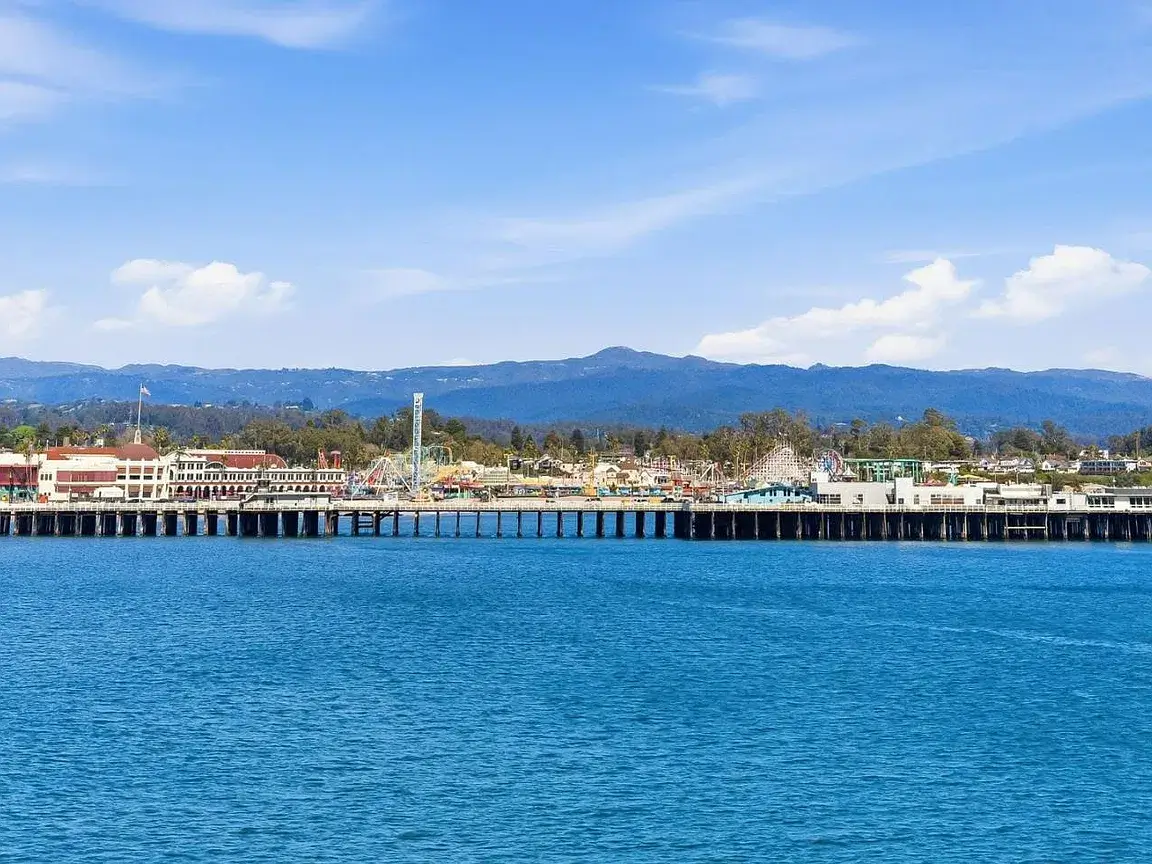
The Westside is worth a close look if you want regular access to the coast, UCSC, and local businesses along Mission Street.
Live Oak, Capitola, Soquel, and Aptos are also worth considering if you're comparing locations around Santa Cruz. The commute, neighborhood setting, available home styles, and recent sales will help show which area makes the most sense for your plans. I wouldn't choose based on a city name or asking price alone. Compare the actual homes you're considering.
Buying a Home With Local Guidance
I've represented buyers and sellers throughout Santa Cruz County since 2004. Working on both sides of a transaction gives me a clear view of how homes are priced, how sellers assess offers, and where buyers should focus during negotiations.
If you're considering a home on the Westside, I'd be happy to help you assess the options and put together a buying strategy based on the property and the current market.
Jessica Wallace
Coldwell Banker Realty | Santa Cruz County Realtor
Phone: 831-419-9345
Email: yoursantacruzagent@gmail.com