

In Santa Cruz, a well-prepared home that is priced correctly can attract serious buyer interest in the first week or two and move into escrow soon after. From there, many escrows close in about 21 to 30 days when the buyer, financing, inspections, and appraisal stay on track.
The full selling process usually has three major phases: getting the home ready, creating strong early buyer response, and managing escrow through closing.
Step 1: Pre-Listing Strategy and Preparation
Typical timing: 1 to 3 weeks before listing, longer if repairs or staging are needed
This is where the seller and agent decide what needs attention before the home is public.
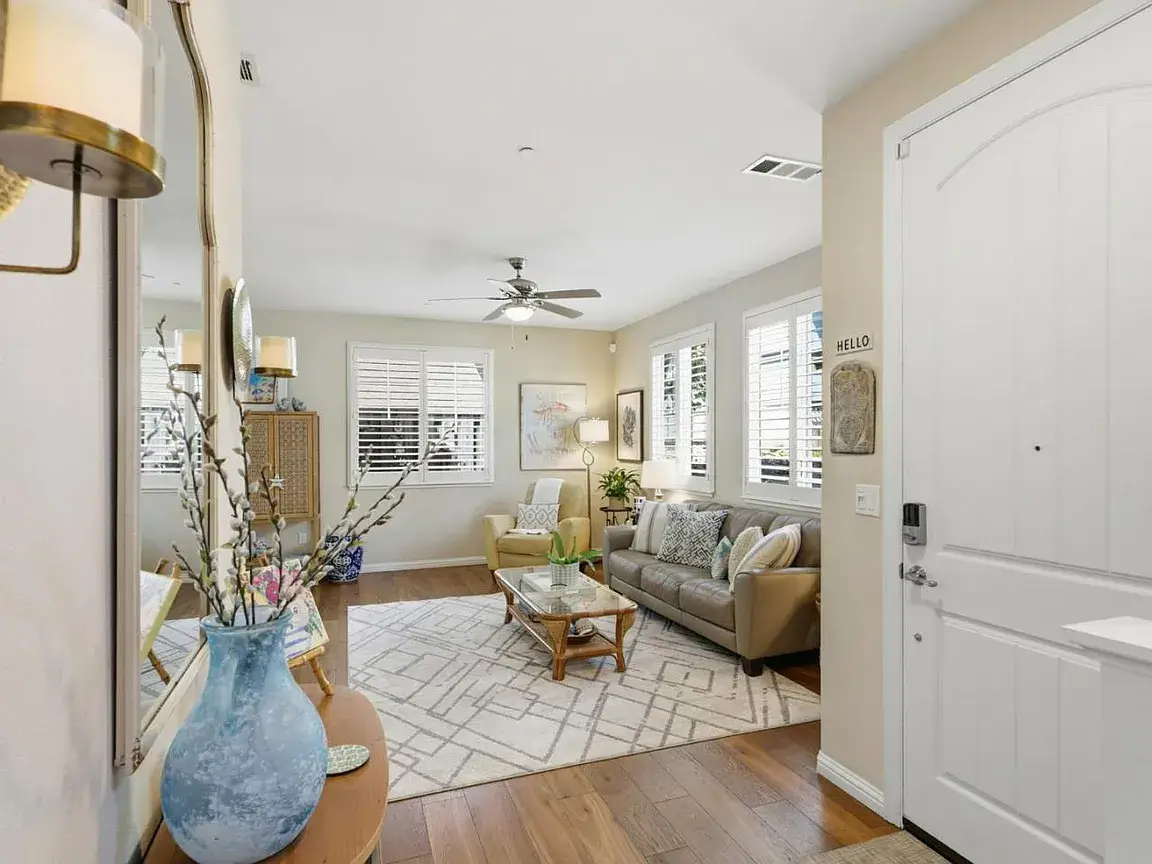
The most useful pre-listing work often includes:
- Fresh paint
- Better lighting
- Flooring touchups
- Landscaping cleanup
- Small repairs
- Decluttering
- Deep cleaning
- Thoughtful staging
These updates help buyers focus on the home instead of mentally adding up future projects.
Step 2: Pricing the Home for the Current Market
Typical timing: 3 to 7 days before launch
Before the listing goes live, the price needs to be tested against recent comparable sales, current competing inventory, buyer demand, condition, location, and property type.
Local details matter here.
A home near the beach may be judged on walkability, lifestyle, and condition. A Scotts Valley home may be judged on commute access, lot size, and schools. A mountain property may be judged on privacy, road access, insurance, trees, drainage, and year-round upkeep.
Step 3: Listing Launch
Typical timing: 1 to 3 days to execute the launch once the pre-listing plan is complete
Once the pricing, preparation, photography, disclosures, and marketing plan are ready, the listing can enter the market.
This is the execution phase. The home is placed in the MLS, the listing copy is finalized, showing instructions are set, open house plans are confirmed, marketing begins, and agent outreach starts. These details shape how the home enters the market.
The launch needs to create clarity. Buyers should understand what the home offers, why it is priced where it is, and how it compares to other homes they are seeing.
Step 4: First Week on the Market
Typical timing: Days 1 to 7 after listing
The first week is the market’s first real answer.
When a home first goes live, buyer attention is usually at its highest. Serious buyers and agents are watching new listings closely. The early signs tell the seller whether the market understands the home’s value.
Strong early signals include:
- Showing requests
- Agent calls
- Online interest
- Open house traffic
- Repeat visits
- Direct buyer questions
- Early offer conversations
Weak early signals, such as slow showings, thin open house traffic, or hesitant feedback, also matter because they show where the launch may be missing the mark.
For a deeper look at early buyer response, read How Long Does It Take to Sell a Home in Santa Cruz CA? What Sellers Should Expect.
Step 5: Offer Review
Typical timing: Days 5 to 14, depending on activity
When offers come in, the review should go far beyond price.
The seller needs to know:
- Is the buyer well qualified?
- Has the lender reviewed the file carefully?
- How much is the buyer putting down?
- Is the deposit strong?
- Is there appraisal risk?
- Are there unusual requests?
- Does the buyer seem prepared to move through escrow cleanly?
This is where transactional certainty matters.
Step 6: Negotiation and Acceptance
Typical timing: 1 to 3 days after receiving offers
Once the seller understands the buyer’s strength, the next step is shaping the terms.
This may include countering the price, tightening contingency timelines, clarifying credits or repair expectations, adjusting possession terms, or choosing between competing offers.
Step 7: Escrow Begins
Typical timing: Day 1 of contract through closing, often 21 to 30 days
Once the offer is accepted, escrow begins.
This is where the offer has to perform. The buyer submits the deposit. Disclosures are reviewed. Inspection timelines begin. The lender starts moving the loan forward. Title and escrow open the file, secure the initial deposit, track contractual deadlines, and organize preliminary title reports.
Step 8: Inspections, Appraisal, and Contingency Periods
Typical timing: First 7 to 17 days of escrow, depending on the contract
This stage often creates the most stress for sellers.
Buyers may complete general inspections, pest inspections, roof inspections, sewer inspections, or other evaluations. If issues come up, they may ask for repairs, credits, or another round of negotiation.
Not every request is reasonable. Not every issue should become a concession.
Local property knowledge matters here.
A coastal home in Seabright, Pleasure Point, or Capitola may raise questions about moisture, drainage, salt air, and exterior wear. A mountain property in Felton, Ben Lomond, or Boulder Creek may bring more focus to trees, septic systems, road access, drainage, insurance, and maintenance. A condo may involve HOA documents, reserves, rules, and building condition.
These are local risk points that can affect the timeline and the negotiation.
Step 9: Contingency Removal
Typical timing: Often around Days 10 to 21 of escrow
Contingency removal is an important milestone.
This is when the buyer removes certain protections tied to inspections, appraisal, loan approval, or other contract conditions. Once contingencies are removed, the buyer’s commitment becomes stronger.
For sellers, this is one of the clearest signs that the transaction is moving toward closing. Until contingencies are removed, the sale still has more uncertainty. After they are removed, the deal usually has more structure and accountability.
This stage should be tracked closely. Missed deadlines, unclear communication, or unresolved buyer concerns can slow the process.
Step 10: Final Walkthrough and Closing Preparation
Typical timing: Final 3 to 5 days before closing
As closing gets closer, the buyer usually completes a final walkthrough.
The final walkthrough is not a second inspection. It is usually the buyer’s chance to confirm the home is in the agreed-upon condition before closing.
This is also when sellers should focus on final details:
- Move-out timing
- Keys
- Utilities
- Agreed-upon repairs
- Personal property
- Access instructions
- Cleaning expectations
- Contract requirements
Step 11: Closing Day
Typical timing: Day 21 to 30 of escrow in many financed transactions, sooner for some cash or shorter-term offers
In California, closing is complete when the deed records with the county.
Before that happens, documents are signed, funds are transferred, lender funding is completed if financing is involved, and escrow coordinates the final pieces. Once the deed records, ownership transfers according to the contract.
Keys are released based on the agreed terms.
Until recording happens, the transaction is still in progress.
The Formula for a Predictable Timeline
Sellers have more control when they understand the timeline before the home goes live.
A predictable sale usually comes from three things:
- A realistic price based on the current market
- A home that feels clean, cared for, and easy to understand
- A contract that is negotiated for strength, not just speed
If you are preparing to sell your home in Santa Cruz County, I can help you establish a realistic timeline, isolate the highest-impact preparation steps, and build a localized pricing strategy that protects your equity from day one.
Feel free to reach out or contact me here: Your Santa Cruz Agent - Contact Page
Jessica Wallace - Coldwell Banker Realtor - Santa Cruz831-419-9345yoursantacruzagent@gmail.com